Description
Saxenda is the brand name for liraglutide, a glucagon‑like peptide‑1 (GLP‑1) receptor agonist approved for chronic weight management. It is administered as a once‑daily subcutaneous injection and carries a boxed warning about potential thyroid C‑cell tumors; it is contraindicated in patients with a personal or family history of medullary thyroid carcinoma or Multiple Endocrine Neoplasia syndrome type 2. Saxenda has been approved for adult obesity treatment and for certain adolescent patients, and the official prescribing information provides detailed dosing and safety guidance.What is Saxenda?
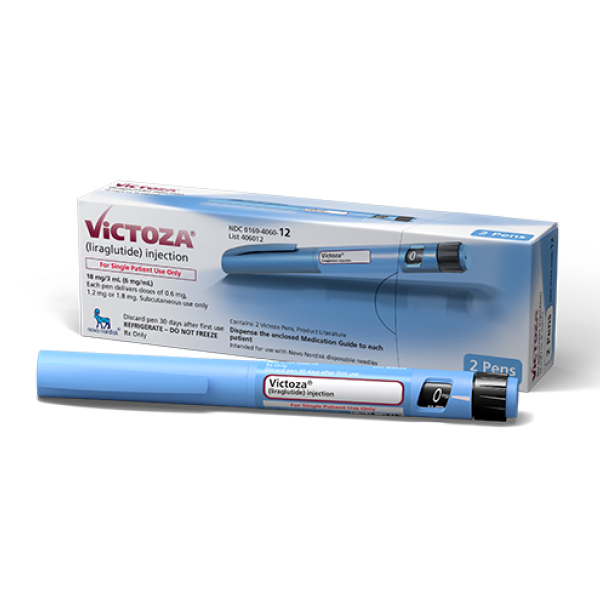
Saxenda is an injection used for weight loss. It contains the medicine liraglutide. It can be used alongside diet and exercise to help aid weight loss. The Saxenda pen is a registered trademark of Novo Nordisk.
The drug can be prescribed for people with a body mass index (BMI) over 30. It can also be used for people with a BMI over 27 who have also been diagnosed with weight-related medical problems. These include:
- Pre-diabetes and diabetes type 2
- Hypertension (high blood pressure)
- High cholesterol
- Obstructive sleep apnoea
How Saxenda Works
Saxenda contains the active ingredient liraglutide. Liraglutide is similar to a hormone in the body called glucagon-like peptide-1 (GLP-1). This is an appetite hormone that helps regulate hunger and is released by the intestines after a meal.
Due to being similar to GLP-1, Saxenda regulates appetite causing you to feel fuller and less hungry. This can lead to eating fewer calories and losing weight. Focussing on eating a reduced-calorie diet will further enhance the benefits of Saxenda.
Saxenda mimics the GLP‑1 hormone to increase feelings of fullness, reduce appetite, and slow gastric emptying, which together support reduced caloric intake when combined with diet and exercise.
How Effective Is It?
When using Saxenda pens to suppress appetite, you can expect to lose a minimum of 5% of your initial body weight after completing a 12-week course of treatment. You should stop using Saxenda if you have been unable to lose at least 5% of your starting body weight at this time.
In clinical trials of Saxenda, patients saw better results in losing weight when compared to using a placebo injection over 56 weeks. The results are summarised below;
- 63% lost at least 5% of body weight
- 33% lost at least 10% of body weight
- 15% lost at least 15% of body weight

Saxenda comes as an injectable pen. The Saxenda pen is injected once daily subcutaneously. The usual injection sites will be the upper arm, upper thigh or abdomen.
The starting dose is a daily injection of 0.6mg. This dose is increased at intervals of usually 1 week until a dose of 3.0mg once daily is reached. An example schedule is shown below:
- Week 1 – 0.6mg dose once daily
- Week 2 – 1.2mg dose once daily
- Week 3 – 1.8mg dose once daily
- Week 4 – 2.4mg dose once daily
- Week 5 – 3.0mg dose once daily continuing
The dose is gradually increased in 1-week intervals to reduce the chances of stomach side effects like nausea, vomiting and diarrhoea.
If you increase the dose and find the side effects problematic for two weeks or more you should discuss this with your doctor or pharmacist.
Key Benefits
- Clinically proven weight reduction when used with a reduced‑calorie diet and increased physical activity.
- Daily dosing allows flexible titration to improve tolerability.
- Support for long‑term weight management as part of a comprehensive plan that includes lifestyle changes.
Dosing and Administration
- Starting and titration: Saxenda is started at a low daily dose and gradually increased to the target dose to reduce gastrointestinal side effects.
- Route: Subcutaneous injection in the abdomen, thigh, or upper arm.
- Monitoring: Regular follow‑up with a healthcare provider is recommended to assess weight loss, side effects, and ongoing suitability.
Safety and Common Side Effects
- Common adverse events: nausea, vomiting, diarrhea, constipation, and abdominal pain.
- Serious considerations: boxed warning for thyroid C‑cell tumors observed in rodent studies; contraindicated with a personal or family history of medullary thyroid carcinoma or MEN 2. Patients should discuss medical history, pregnancy plans, and other medications with their clinician before starting Saxenda.
The most common side effects with Saxenda affect the digestive system: nausea, vomiting, diarrhoea and constipation. These should subside after a few days or weeks.
Other common side effects include:
- Feeling weak or tired
- Dizziness
- Insomnia
- Injection site reactions such as bruising, pain or a rash
Another side effect can be hypoglycaemia. This is the medical name for low blood sugar. This is more likely to be a side effect for patients who have type 2 diabetes but can happen in other patients. The signs of low blood sugar are: cold sweat, pale skin, headache, fast heartbeat, feeling sleepy or weak, feeling nervous and difficulty concentrating, among other symptoms.
An uncommon side effect is pancreatitis. This is a serious and potentially life-threatening illness. Symptoms include severe, persistent pain in the abdomen and nausea and vomiting. If you have these symptoms stop using Saxenda and contact your doctor immediately.
Please report any side effects to your doctor or pharmacist.
Who Should Consider Saxenda
- Adults with obesity (BMI ≥30) or overweight (BMI ≥27) with at least one weight‑related comorbidity, under medical supervision.
- Select adolescents may be eligible; treatment decisions should be made by a pediatric specialist familiar with obesity management.
FAQs
- What is Saxenda used for
Saxenda is used with diet and exercise for chronic weight management in adults and certain adolescents. - How often is Saxenda given
Saxenda is administered once daily by subcutaneous injection. - Are there serious risks with Saxenda
Saxenda has a boxed warning about thyroid C‑cell tumors in animal studies and is contraindicated in patients with a personal or family history of medullary thyroid carcinoma or MEN 2. - How quickly can I expect results
Individual results vary; clinical trials report measurable weight loss over weeks to months when combined with lifestyle changes.