


Description
Trulicity is the brand name for dulaglutide, a once‑weekly injectable glucagon‑like peptide‑1 (GLP‑1) receptor agonist indicated as an adjunct to diet and exercise to improve glycemic control in adults with type 2 diabetes. Trulicity also has indications related to reducing major adverse cardiovascular events in certain adults with type 2 diabetes and established cardiovascular disease or multiple risk factors.
What is Trulicity?
Trulicity is an injectable diabetes medicine that is used together with diet and exercise to improve blood sugar control in adults and children 10 years of age and older with type 2 diabetes mellitus.
Trulicity (generic name dulaglutide) is also used to help reduce the risk of serious heart problems such as heart attack or stroke in adults who have established cardiovascular disease or multiple cardiovascular risk factors.
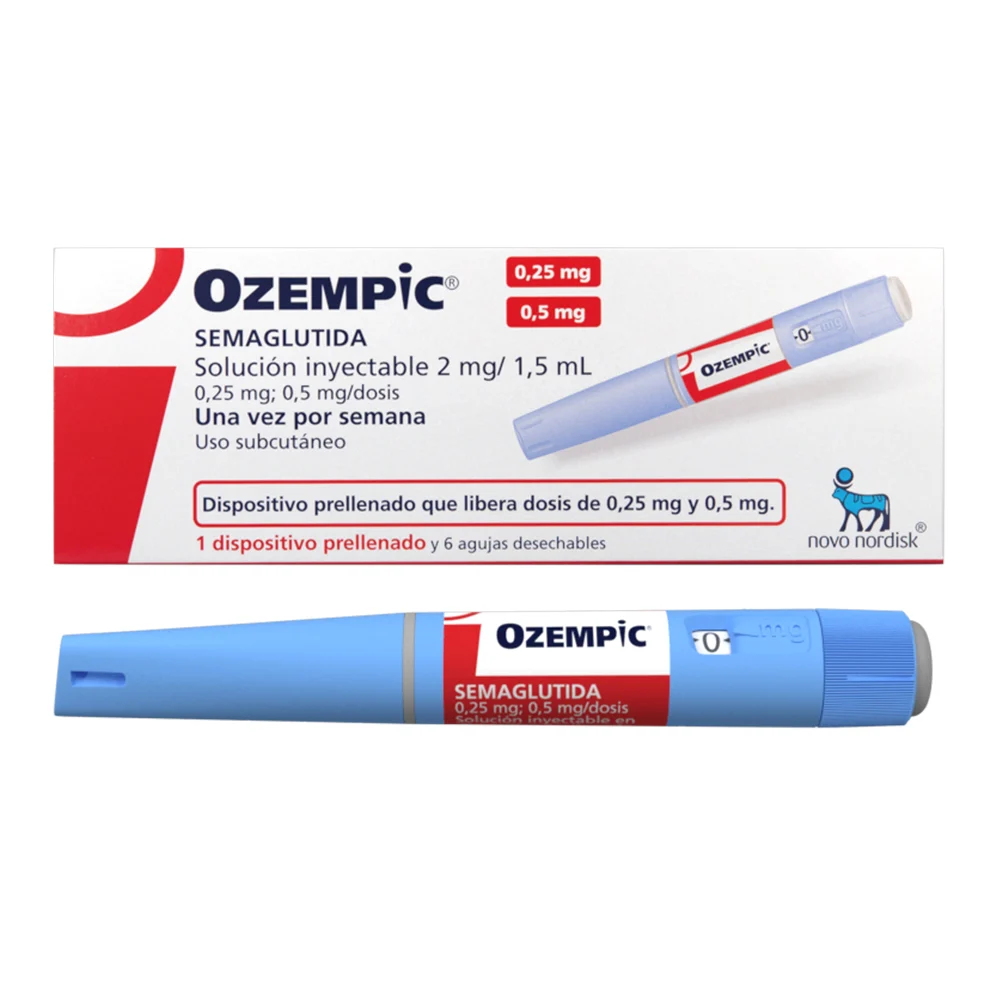
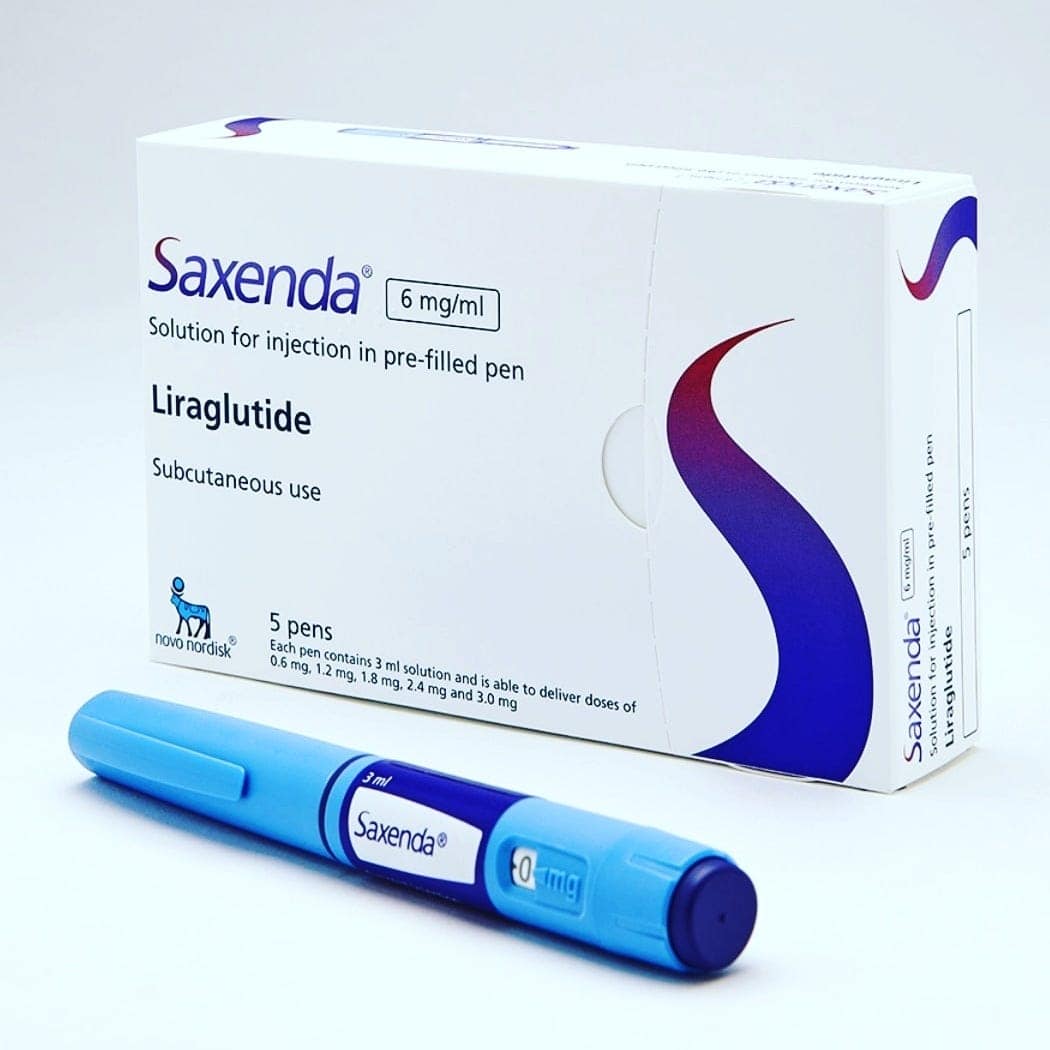
Trulicity is not approved as a weight loss drug, but some people may lose weight while using it. Trulicity belongs to the drug class called glucagon-like peptide-1 (GLP-1) receptor agonists, which includes other medications such as Ozempic, Wegovy, Ryebelsus, Victoza, Saxenda, and Byetta.
How Trulicity Works
Mechanism
Trulicity activates GLP‑1 receptors to increase glucose‑dependent insulin secretion, slow gastric emptying, and reduce appetite, which together help lower blood glucose and support weight reduction as part of a broader treatment plan.
How should I use Trulicity?
Read the Instructions for Use that come with the Trulicity Package Insert. Use Trulicity exactly as your healthcare provider tells you to.
Use Trulicity 1 time each week on the same day each week at any time of the day.
- You may change the day of the week as long as your last dose was given 3 or more days before.
- Trulicity may be taken with or without food.
Trulicity is injected under the skin (subcutaneously) of your stomach (abdomen), thigh, or upper arm.
- Your healthcare provider will teach you how to inject Trulicity yourself, or you can have a caregiver give it to you.
Do not mix insulin and Trulicity together in the same injection.
- You may give an injection of Trulicity and insulin in the same body area (such as your stomach area), but not right next to each other.
- Change (rotate) your injection site with each weekly injection. Do not use the same site for each injection.
Key Benefits and Clinical Evidence
- Once weekly dosing improves convenience and adherence compared with daily injections.
- Glycemic control: clinical trials show Trulicity lowers HbA1c when added to diet and exercise.
- Cardiovascular benefit: Trulicity is indicated to reduce the risk of major adverse cardiovascular events in adults with type 2 diabetes who have established cardiovascular disease or multiple risk factors.
Trulicity dosing information
Usual Adult Trulicity Dose for Diabetes Type 2
Initial dose: Trulicity 0.75 mg subcutaneously once a week
- The dose may be increased to 1.5 from 0.75, then in 1.5 mg increments for additional glycemic control; patients should remain on 3 mg 1 time a week dose for at least 4 weeks before increasing the dose to 4.5 mg once a week.
Maintenance dose: 0.75 to 4.5 mg subcutaneously once a week.
Maximum dose: 4.5 mg weekly.
Usual Child 10 years and Older Dose for Diabetes Type 2
Initial dose: Trulicity 0.75 mg subcutaneously once a week
- The dose may be increased to 1.5 mg once weekly after at least 4 weeks on the 0.75 mg dosage.
Maintenance dose: 0.75 to 1.5 mg subcutaneously once a week.
Maximum dose: 1.5 mg weekly.
Usual Adult Dose for Cardiovascular Risk Reduction:
Initial dose: Trulicity 0.75 mg subcutaneously once a week
- The dose may be increased to 1.5 from 0.75, then in 1.5 mg increments for additional glycemic control; patients should remain on 3 mg 1 time a week dose for at least 4 weeks before increasing the dose to 4.5 mg once a week.
Maintenance dose: 0.75 to 4.5 mg subcutaneously once a week.
Maximum dose: 4.5 mg weekly.
SAFETY SUMMARY WITH WARNINGS
Warnings:
Trulicity may cause tumors in the thyroid, including thyroid cancer. Watch for possible symptoms, such as a lump or swelling in the neck, trouble swallowing, hoarseness, or shortness of breath. If you have any of these symptoms, tell your healthcare provider.
- Do not use this medication if you or any of your family have ever had a type of thyroid cancer called medullary thyroid carcinoma (MTC).
- Do not use this medication if you have Multiple Endocrine Neoplasia syndrome type 2 (MEN 2).
- Do not use this medication if you are allergic to dulaglutide or other ingredients in Trulicity.
Ask your healthcare provider how to recognize the serious side effects below and what to do if you think you have one:
Inflamed pancreas (pancreatitis). Stop using Trulicity and call your healthcare provider right away if you have severe pain in your stomach area (abdomen), with or without vomiting, that will not go away. You may feel the pain from your abdomen to your back.
Low blood sugar (hypoglycemia). Your risk for getting low blood sugar may be higher if you use TRULICITY with another medicine that can cause low blood sugar, such as a sulfonylurea or insulin.
Signs and symptoms of low blood sugar may include dizziness or light-headedness, confusion or drowsiness, headache, blurred vision, slurred speech, fast heartbeat, sweating, hunger, shakiness, feeling jittery, weakness, anxiety, irritability, or mood changes.
Serious allergic reactions. Stop using Trulicity and get medical help right away if you have any symptoms of a serious allergic reaction which may include swelling of your face, lips, tongue or throat, problems breathing or swallowing, severe rash or itching, fainting, or feeling dizzy, or very rapid heartbeat.
Dehydration leading to kidney problems. Diarrhea, nausea, and vomiting may cause a loss of fluids (dehydration) which may cause kidney problems. It is important for you to drink fluids to help reduce your chance of dehydration. Tell your healthcare provider right away if you have nausea, vomiting, or diarrhea that does not go away.
Severe stomach problems. Stomach problems, sometimes severe, have been reported in people who use Trulicity. Tell your healthcare provider if you have stomach problems that are severe or will not go away.
Changes in vision. Tell your healthcare provider if you have changes in your eyesight (vision) during treatment with Trulicity.
Gallbladder problems. Gallbladder problems have happened in some people who take Trulicity. Tell your healthcare provider right away if you get symptoms of gallbladder problems, which may include pain in your upper stomach (abdomen), fever, yellowing of skin or eyes (jaundice), clay-colored stools.
Food or liquid getting into the lungs during surgery or other procedures that use anesthesia or deep sleepiness (deep sedation). Trulicity may increase the chance of food getting into your lungs during surgery or other procedures. Tell all your healthcare providers that you are taking Trulicity before you are scheduled to have surgery or other procedures.
Common side effects
The most common side effects of Trulicity include nausea, diarrhea, vomiting, abdominal pain and decreased appetite, indigestion, and fatigue.
These are not all the possible side effects of Trulicity.
Tell your healthcare provider if you have any side effects.
Before taking
You should not use Trulicity if you are allergic to dulaglutide, Trulicity, or any of the inactive ingredients in the Trulicity pen. In addition, do not use if you have:
- multiple endocrine neoplasia type 2 (tumors in your glands)
- a personal or family history of medullary thyroid carcinoma (a type of thyroid cancer)
- diabetic ketoacidosis (call your doctor for treatment).
Tell your healthcare provider about all your medical conditions before starting Trulicity, including if you:
- have or have had problems with your pancreas, kidneys or liver.
- have severe problems with your stomach, such as slowed emptying of your stomach (gastroparesis), problems with digesting food, or severe stomach problems
- have a history of diabetic retinopathy
- have type 1 diabetes
- are scheduled to have surgery or other procedures that use anesthesia or deep sleepiness (deep sedation)
- are pregnant or plan to become pregnant
- are breastfeeding or plan to breastfeed.
Trulicity is not approved for use by anyone younger than 10 years old with type 2 diabetes. For cardiovascular risk reduction, it is only approved for adults over the age of 18.
Pregnancy
It is not known if Trulicity will harm an unborn baby. Tell your healthcare provider if you become pregnant while using Trulicity.
Breastfeeding
It is not known if Trulicity passes into your breast milk. You and your healthcare provider should decide if you should breastfeed while taking Trulicity.
How to take
- Read the Instructions for Use that come with Trulicity.
- Use Trulicity exactly as your healthcare provider says.
- Inject Trulicity under the skin (subcutaneously) of your stomach (abdomen), thigh, or upper arm. Do not inject Trulicity into a muscle (intramuscularly) or vein (intravenously).
- Do not share your Trulicity pen, syringe, or needles with another person.
- Do not give Trulicity to other people.
- If you take too much Trulicity, call your healthcare provider or Poison Helpline at 1-800-222-1222 or go to the nearest hospital emergency room right away.
FAQ
- What is Trulicity used for
Trulicity is used with diet and exercise to improve glycemic control in adults with type 2 diabetes and to reduce cardiovascular risk in eligible patients. - How often is Trulicity given
Trulicity is administered once weekly by subcutaneous injection. - Can Trulicity be used for type 1 diabetes
No. Trulicity is not indicated for type 1 diabetes or for the treatment of diabetic ketoacidosis. - Are there serious risks with Trulicity
Trulicity has a boxed warning about thyroid C‑cell tumors observed in rodents and is contraindicated in patients with a personal or family history of medullary thyroid carcinoma or MEN 2.


Reviews
There are no reviews yet.